SERVICE DESIGN
ROLE
DESIGNER

THIS PROJECT WAS COMPLETED AS A CULTURAL EXCHANGE BETWEEN OCAD UNIVERSITY AND ENSCI LES ATELIERS IN PARIS, FRANCE.
Working in a cross-cultural team with students from across Europe, we conducted on-site field research on L'Île-Saint-Denis, a marginalized community on the outskirts of Paris, and developed a service design proposal aimed at helping its residents build a stronger connection to the city. Our concept was presented to the French Government at the close of the exchange.
I was in for a set of long days! L'Île-Saint-Denis was quite far from our hostel. It is notoriously difficult to get to and from the island, in fact. One of the main issues we would face while working on this project. Thankfully we visited in late spring, so it wasn’t overly cold, or cold at all by Canadian standards.
We were briefed on conditions on the island before we got there, and we faced a number of issues going in. We were told the neighbourhood itself was dangerous, and not to go around taking photos of people (women specifically). For the final output of the project, we weren’t allowed to tie anything to any specific racial identity.
France has a different view on demographics than we do in Canada. In Canada, we approach differences in culture with the idea of a mosaic. We’re a country of immigrants and First Nations. We’re all different, and it’s just something we’ve all grown up with. There’s some uglier sides to this mentality unfortunately, but for the most part we all get along. France however, is still reeling from the horrors of the late 1930s. The government has deliberately refused to collect racialized data on the census, and so we were left without any typical resources we would have in understanding the identity of the locale.
We were however, encouraged to explore the island in our groups. Apparently, the “right people” knew we were there and knew we would be poking around. We were given a larger tour and shown exact places not to go.
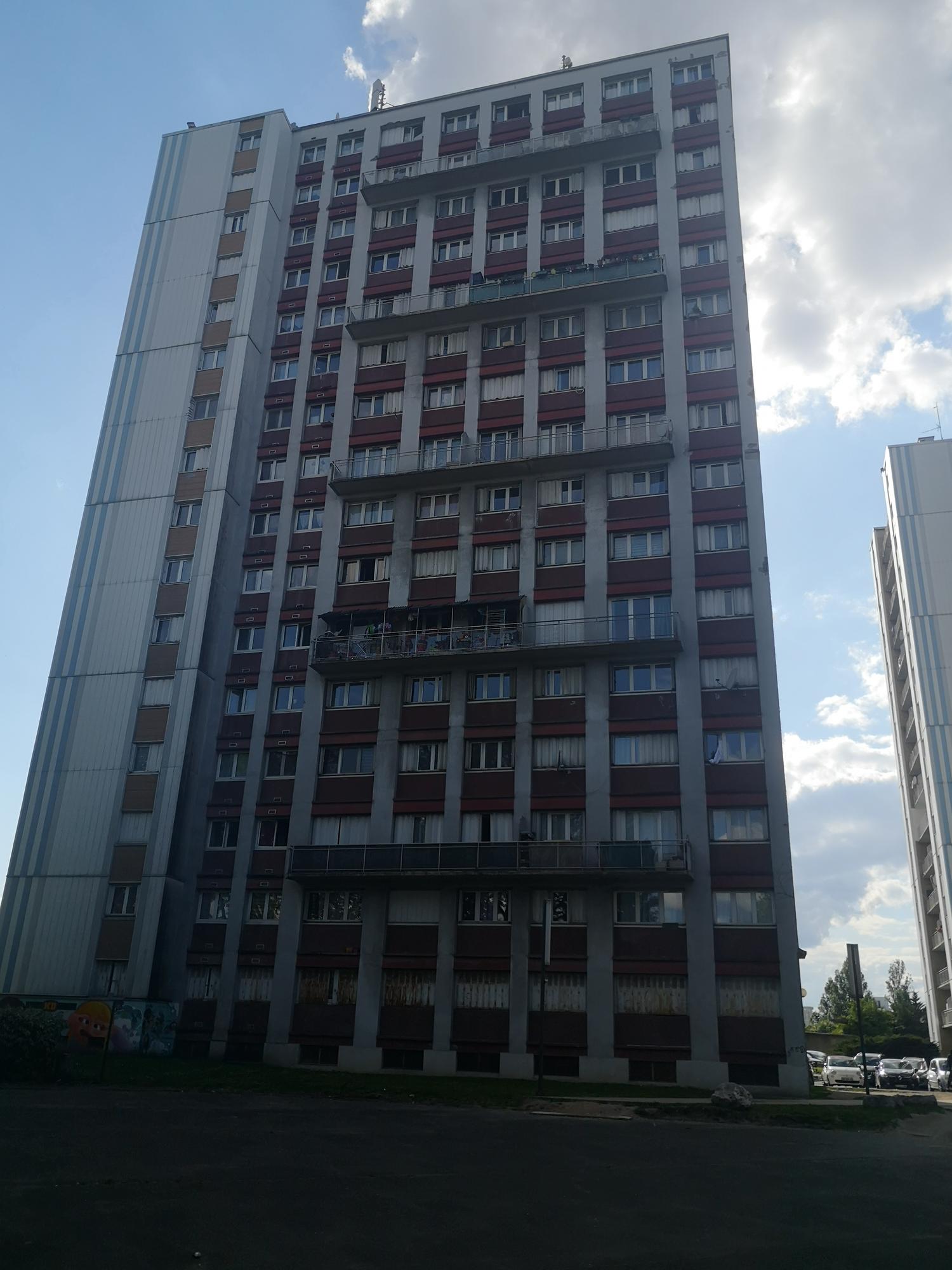


The intentions of the exchange were simple: create something lasting for the children of the island. Something that would help them find their identity within the larger Parisian community. This has been a struggle, since the island is so difficult to get to via metro. Most days, we would miss the connecting bus and have to take a 20/30 minute walk to the island. The exchange was also only a week long, so we had to move fast and deliberately within the design process.
It’s worth noting here, that across the river bank was the Olympic Village for the 2024 games being built. These residents were so close, yet so far to being part of Paris.
SO WE HAD NO ONLINE RESOURCES. WE COULDN'T TALK TO ANYONE, AND ALL WE HAD WAS OUR WITS.
We were turned loose onto the island to explore. I was curious about the bounds of the island, and eventually we stumbled upon an old dock, albeit in disrepair.
On this pavilion, was an old boat tie. I found it interesting that once this infrastructure had been here, but hadn’t remained in service. This was surprising, since Paris is home to many many tourist boat tours. As hard as we looked, we could not find any informaiton on the history of this dock.

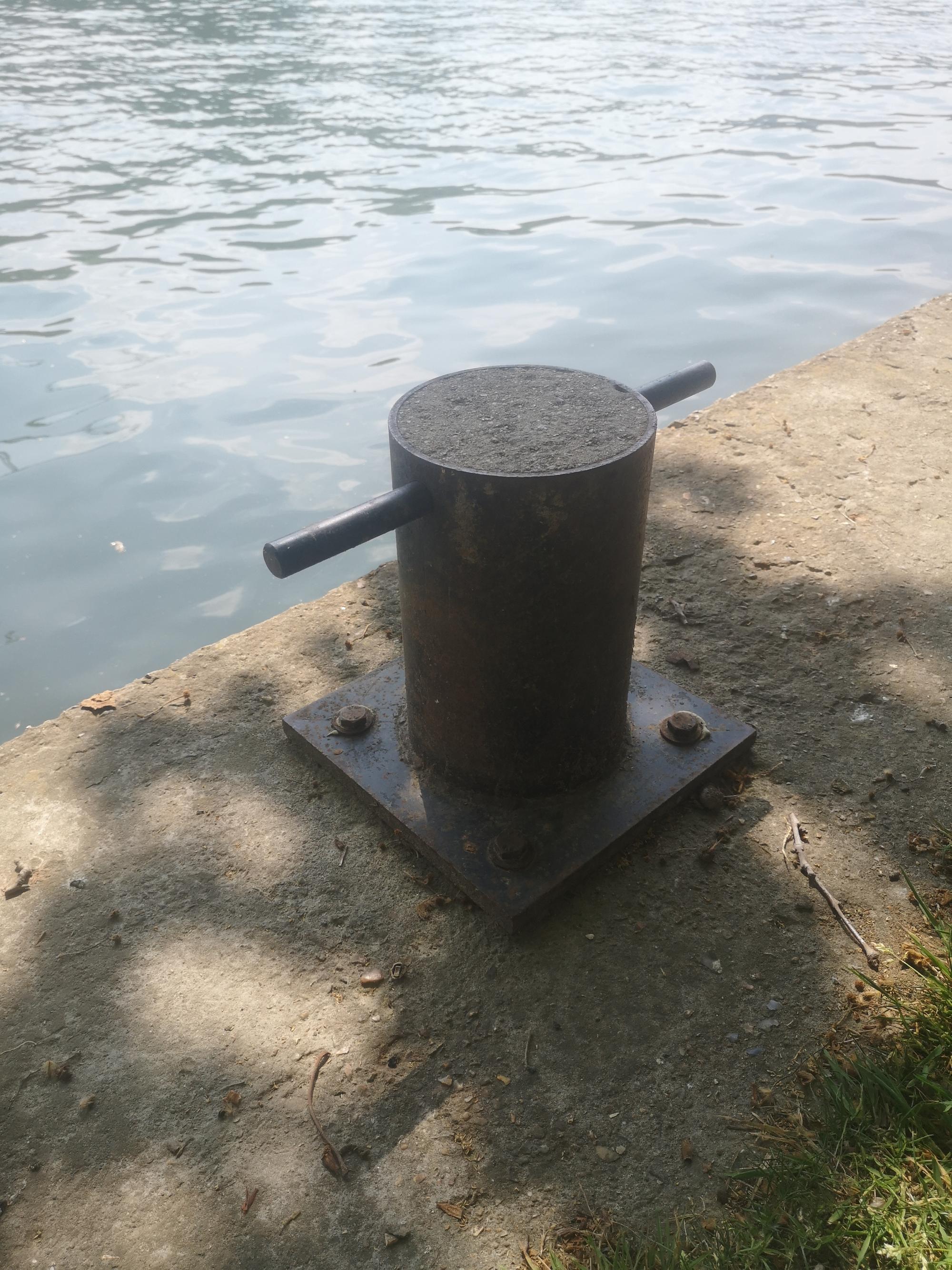


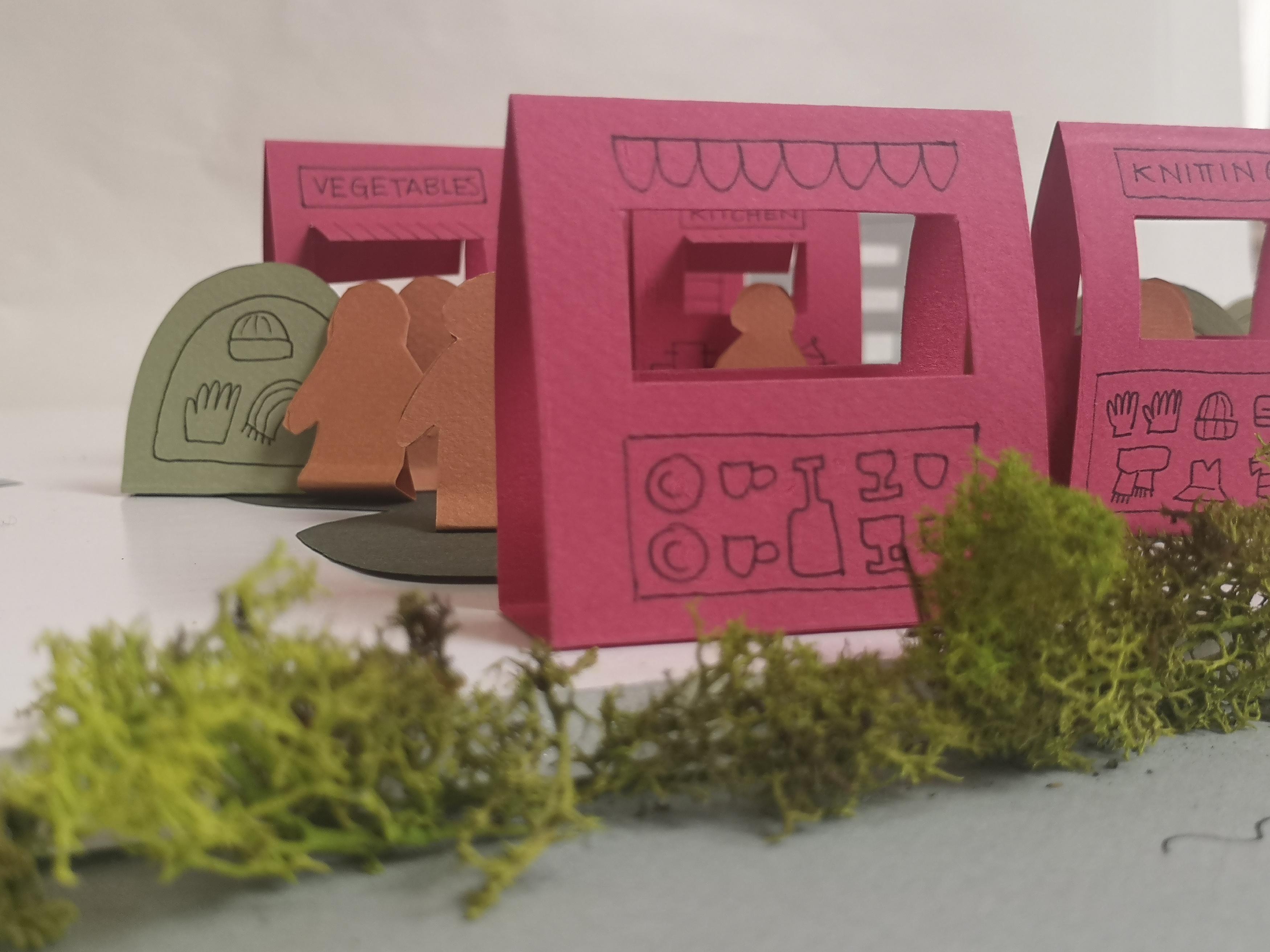
One of my group members was really inspired by finding the dock! She was reminded of the floating markets back home in Asia. We loved the opportunity to create something vibrant and fun for the people of the island.
What became apparent after critique though, was how hard it would be to start with a boat from the get go. And the market was a great idea, but besides that, it didn’t link the people to the rest of Paris. If the residents wanted to continue this idea, and feel empowered to do so and recieve grant funding from the government, we needed to start smaller.
These following slides will take you through our service design solution, which we presented to the French Government. They thought the idea was interesting, and enjoyed that we had the development of the island in mind, in a way that would prevent gentrification.




I really enjoyed being able to do first-hand field research, by delving into the island and looking for design problems in situ. It was also really great working with other students from across Europe, and getting more familiar with French culture as a whole.
This project definitely influenced my wish to live and work abroad one day.
Would you liKe another?
NEXT UP: